Just How a Trusted Heating And Cooling System Improves Indoor Air Top Quality and Convenience
A reliable HVAC system is crucial for keeping interior air top quality and comfort. It regulates temperature level and moisture, producing a healthier living setting. Reliable air filtering removes allergens and pollutants, while proper moisture levels stop mold and mildew growth. Regular upkeep guarantees peak performance, enhancing system performance. Recognizing these parts reveals how they communicate to create a fresh atmosphere. The relationship in between Heating and cooling systems and overall health goes deeper than one might anticipate.
Comprehending the Basics of Cooling And Heating Systems
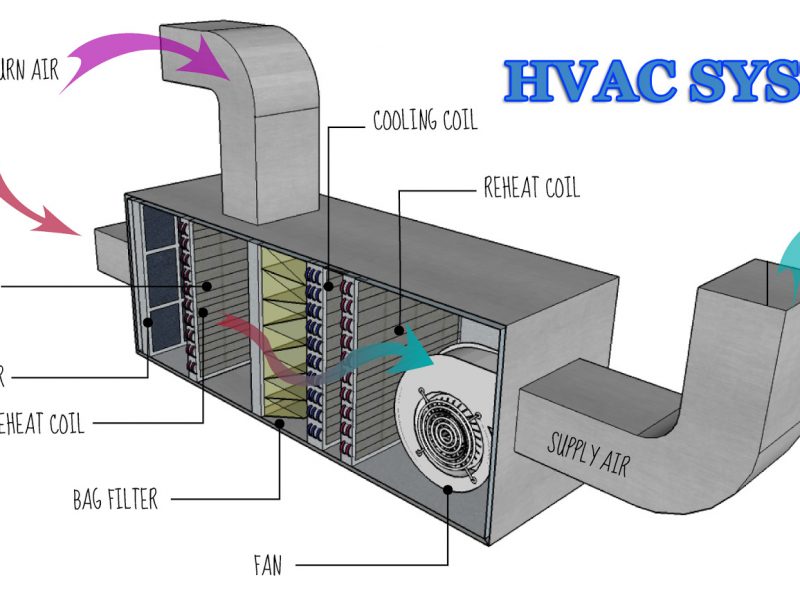
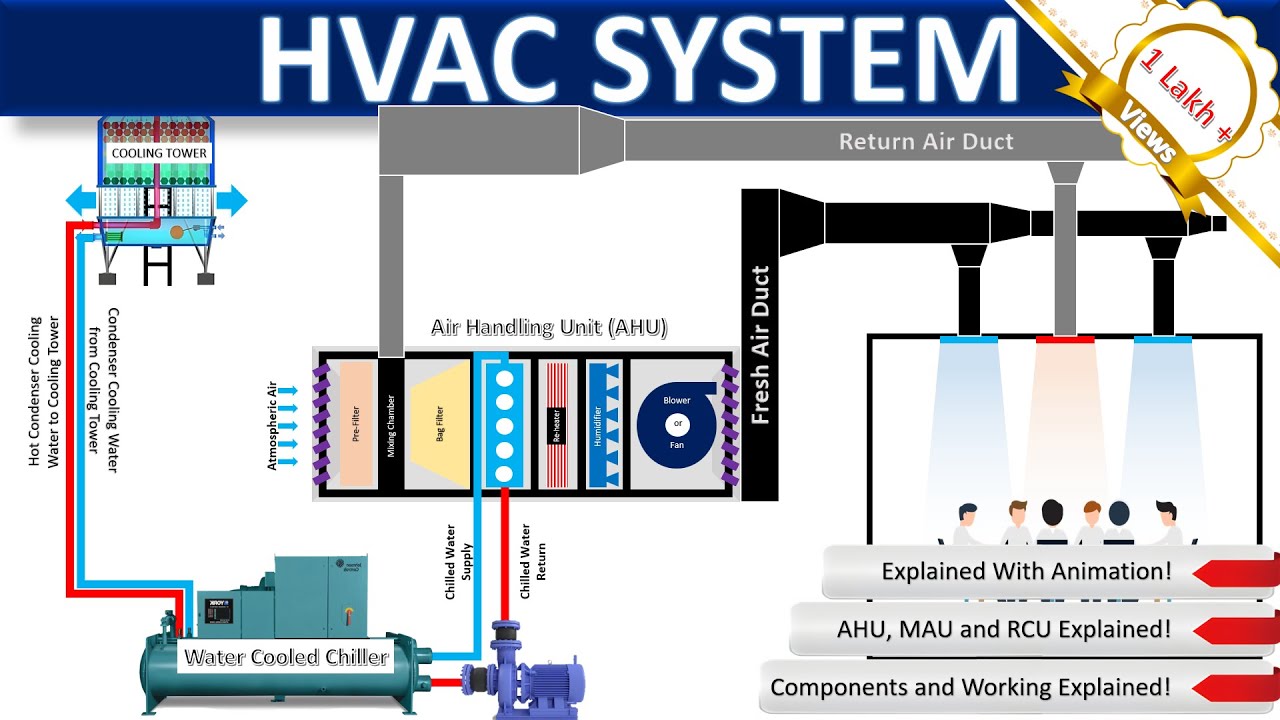
Cooling and heating systems, basic for modern-day comfort, encompass ventilation, air, and home heating conditioning parts that collaborate to manage indoor settings. These systems are made to keep optimal temperatures, making sure that rooms remain comfy regardless of external weather. Burner, such as heaters or heatpump, give warmth throughout colder months, while cooling units cool areas when temperature levels rise.
Air flow plays a vital duty, facilitating the circulation of fresh air and getting rid of stagnant air, which helps in maintaining a well balanced atmosphere. Various kinds of cooling and heating systems exist, including systematized and decentralized setups, each matched for different building sizes and purposes. Furthermore, modern-day innovations have actually presented wise technologies, allowing for enhanced control over interior environment. Understanding these basics allows customers to value how heating and cooling systems add to total well-being and comfort in business and household rooms alike, laying the groundwork for discussions on their influence on indoor air top quality.
The Role of Air Filtration in Indoor Air Quality
A noteworthy aspect of preserving indoor air high quality works air filtration, which plays an important function in eliminating toxins and irritants from the setting. Heating and cooling systems outfitted with top notch filters can capture a variety of impurities, including dirt, pollen, pet dog dander, and mold spores. This purification procedure substantially lowers the focus of airborne fragments, resulting in a cleaner and healthier interior environment.
Routine maintenance of air filters is vital to guarantee peak efficiency. Blocked or dirty filters can prevent air flow, reducing the system's efficiency and possibly permitting pollutants to distribute within the space. By changing or cleaning up filters as recommended, homeowners can boost their cooling and heating system's capacity to offer fresh air.
Moisture Control and Its Influence On Comfort
While lots of may focus on temperature level policy, moisture control is equally vital for keeping comfort in interior settings. High humidity degrees can bring about discomfort, making rooms feel warmer than they in fact are, while low humidity can cause dry skin, irritation, and enhanced sensitivity to respiratory system problems. A dependable cooling and heating system plays a significant role in handling interior moisture, ensuring that air is neither too completely dry neither also wet.
Ideal moisture degrees generally range from 30% to 50%, promoting a comfortable ambience. When moisture is well-regulated, owners experience enhanced thermal convenience, enhanced interior air quality, and decreased risks of mold and mildew development and dust mite expansion. In addition, proper humidity control can protect furnishings and structural elements from damage triggered by extreme dampness or dryness. Subsequently, incorporating reliable moisture monitoring into a/c systems is important for fostering a healthy and balanced and positive indoor setting favorable to health and efficiency.
The Value of Routine Maintenance
Routine upkeep of cooling and heating systems is necessary for making certain peak efficiency and longevity. This proactive strategy not just decreases prospective breakdowns however also improves energy performance, which can result in considerable price savings in time. Set up assessments allow professionals to determine and deal with concerns before they escalate into pricey repairs, ensuring the system operates efficiently.
In addition, routine upkeep includes cleansing or replacing filters, examining refrigerant levels, and evaluating air ducts, every one of which add to perfect air movement and system effectiveness. By keeping the cooling and heating system, house owners can also stop excessive deterioration on components, prolonging the total lifespan of the system.
A well-maintained HVAC system runs quietly and safely, reducing the threat of harmful scenarios. To conclude, normal maintenance is a vital investment in both the efficiency of HVAC systems and the comfort of indoor environments, ultimately promoting a healthier space.

How A/c Equipment Reduce Allergens and Pollutants
Efficient HVAC systems play an important duty in lowering allergens and contaminants within indoor settings, consequently enhancing total air top quality. These systems make use of sophisticated filtering innovations that catch dirt, plant pollen, mold and mildew spores, and family pet dander, avoiding them from distributing throughout the home. High-efficiency particulate air (HEPA) filters are especially effective, trapping approximately 99.97% of fragments as tiny as 0.3 microns.
Energy Effectiveness and Its Benefits for Wellness
Energy-efficient a/c systems not only reduce power usage yet additionally have considerable health benefits for passengers. By enhancing power use, these systems can keep consistent indoor temperature levels, which aids prevent the growth of mold and mold. Controlling moisture levels is necessary for respiratory system wellness, as excess moisture can exacerbate allergic reactions and asthma. Furthermore, energy-efficient systems commonly integrate innovative filtering modern technologies that improve air top quality by removing airborne fragments and toxins, additionally boosting general wellness.
Additionally, lower energy usage suggests decreased discharges from power plants, contributing to cleaner outside air quality, which indirectly supports the health of citizens. With an emphasis on sustainability, energy-efficient cooling and heating systems promote a healthier living setting. By buying such systems, house owners not only minimize utility bills yet also make a significant dedication to the health and wellness of their households and neighborhoods. Inevitably, power performance in HVAC systems fosters a healthier indoor atmosphere for all.
Enhancing Comfort Via Smart Technology Integration
As wise innovation remains to develop, its combination right into cooling and heating systems substantially improves indoor comfort. Smart thermostats, for example, enable users to customize home heating and cooling down schedules based on their daily regimens, ensuring excellent temperature levels when individuals are home. These devices can learn choices gradually, readjusting setups instantly for optimum comfort.
Smart sensing units monitor indoor air top quality and moisture levels, providing real-time responses that helps maintain a healthy and balanced atmosphere. By connecting with heating and cooling units, these sensing units can prompt modifications to air movement and temperature, guaranteeing regular comfort.
Mobile applications more equip customers, allowing remote control of cooling and heating settings from anywhere, thus providing comfort and versatility.
Regularly Asked Questions

Exactly How Can I Inform if My Cooling And Heating System Is Efficient?
To figure out cooling and heating efficiency, one can inspect energy expenses for anomalies, check for unusual noises, monitor temperature level consistency, assurance proper airflow, and timetable regular upkeep. These website factors jointly suggest the system's functional efficiency and efficiency.
What Indications Suggest Poor Indoor Air Quality?
Indications of bad indoor air top quality include relentless odors, extreme dust build-up, boosted allergy symptoms, visible mold and mildew development, and fluctuating moisture levels. These indications often suggest that air flow or air purification systems might be defective or poor.
Can a Cooling And Heating System Assist With Pet Dog Dander?
Just how Usually Should I Change My Air Filters?
Air filters must generally be changed every 1 to 3 months, relying on usage and interior air top quality. HVAC experts. Normal replacement aids preserve efficient air movement and minimizes dust, irritants, and other fragments in the home atmosphere
What Are the Costs of A/c System Setup?
The expenses of cooling and heating system installment usually vary from $3,000 to $7,000, depending on variables such as system type, home dimension, and local labor prices. Extra attributes may boost general expenditures substantially.
A reputable A/c system is essential for maintaining indoor air top quality and convenience. Cooling and heating systems, fundamental for modern convenience, encompass air, air flow, and home heating conditioning elements that function together to regulate interior atmospheres. Effective Cooling and heating systems play an important function in lowering allergens and contaminants within interior settings, therefore boosting overall air top quality. A Cooling and heating system can significantly reduce pet dog dander by making use of advanced filtration systems and regular maintenance (HVAC experts). The costs of Heating and cooling system installment normally range from $3,000 to $7,000, depending on aspects such as system kind, home dimension, and neighborhood labor rates